

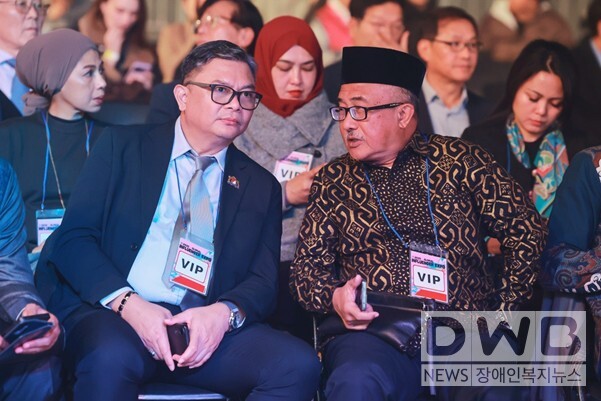
세계 최대 무슬림 인구 국가인 인도네시아의 할랄 산업을 이끌고 있는 루크마눌 하킴(Luqmanul Hakim) 대표는 인천에서 열린 ‘2025 글로벌 인플루언서 엑스포(Global Influencer Expo 2025)’에 참석해 한·인니 할랄 협력의 청사진을 제시했다.
루크마눌 하킴 대표는 인도네시아 NU(나흐들라뚤 울라마) 경제인협회 지도위원이자 HPN-K Indonesia 대표로, 인도네시아 할랄 인증과 수출 플랫폼을 총괄하는 핵심 인물로 꼽힌다. 이번 행사는 한국과 인도네시아 간 할랄·인증 및 수출 협력 강화를 위한 포럼이자, 인플루언서를 매개로 한 새로운 한·인니 경제 협력 모델을 제시하는 자리였다.
하킴 대표는 환영사에서 “할랄은 단순한 라벨이 아니라 삶의 방식”이라고 강조하며, 할랄의 의미를 재정의했다. 그는 “많은 사람들이 아직도 할랄을 음식·음료 포장지에 붙는 작은 마크 정도로만 이해하지만, 실제로 할랄은 원재료, 제조공정, 유통, 비즈니스 윤리 전반을 관통하는 시스템”이라며 “정직성과 책임, 투명성이 결합된 하나의 ‘신뢰의 구조’”라고 말했다.
그는 이어 “할랄의 핵심 가치는 청결, 안전, 투명성, 책임”이라며 “이는 무슬림만을 위한 것이 아니라 인류 모두가 공유할 수 있는 보편적 가치”라고 역설했다. 하킴 대표는 “할랄 제품은 단지 종교적 기준을 만족하는 것이 아니라 윤리적으로 생산되고, 품질을 갖추며, 사회와 환경에도 긍정적인 영향을 미치는 제품”이라고 설명했다.
인도네시아의 역할에 대해서도 분명한 메시지를 던졌다. 그는 “인도네시아는 세계 최대 무슬림 인구를 가진 나라로, 글로벌 할랄 산업의 허브가 될 잠재력이 충분하다”며 “정부, 인증기관, 기업, 그리고 인플루언서가 함께 할랄 생태계를 구축하고 키워간다면, 인도네시아는 할랄 산업의 중심 국가로 성장할 수 있다”고 전망했다.
하킴 대표가 이끄는 PT. HPNK Certification Center는 인도네시아 할랄 인증과 국제 시장 연계를 담당하는 조직이다. 그는 센터의 역할에 대해 “신뢰할 수 있고 전문적인 할랄 인증 절차를 제공해, 인도네시아의 우수한 제품들이 국내를 넘어 글로벌 시장에서 경쟁력을 갖출 수 있도록 지원하는 것이 우리의 사명”이라고 소개했다.
이번 포럼에서는 ㈜하빼엔한국위원회, 인도네시아 국영기업 수코핀도(PT.SUCOFINDO), 인도네시아 기관인 인도네시아 상공회의소(KADIN Indonesia), 한국중소기업지원센터 등과 함께 한국 중소기업을 위한 인도네시아 할랄(HALAL)·식약청(BPOM)·인도네시아 국가표준(SNI)·자국산부품제도제도(TKDN) 등 복합 인증 지원 체계도 공유됐다. 이 과정에서 하킴 대표는 인도네시아 측 파트너를 대표해 양국 간 실질 협력의 연결고리 역할을 수행했다.
행사의 성격을 반영하듯, 그는 인플루언서의 역할도 특히 강조했다. 하킴 대표는 “오늘 이 자리에 있는 인플루언서 여러분은 단순한 홍보자가 아니라, 대중 인식을 바꾸는 중요한 주체”라며 “여러분의 콘텐츠 하나, 한 문장이 할랄에 대한 인식을 넓히고, 더 나은 소비 문화를 만드는 데 큰 영향을 줄 수 있다”고 말했다.
그는 “할랄을 선택하는 것은 품질과 정직, 지속가능성을 함께 선택하는 것”이라며 “소셜미디어에서 할랄 제품과 공정, 그리고 그 가치와 혜택을 알기 쉽게 설명하는 교육형 콘텐츠가 늘어난다면, 사람들은 단순한 유행이 아니라 ‘가치’를 보고 제품을 선택하게 될 것”이라고 덧붙였다.
하킴 대표의 연설에서 눈길을 끈 표현은 ‘Halal for Humanity’였다. 그는 “진정한 할랄은 단지 종교적 규정을 지키는 차원을 넘어, 환경을 파괴하지 않고, 노동자를 착취하지 않으며, 소비자를 속이지 않는 생산·유통 구조를 만드는 것”이라고 정의하며 “그런 의미에서 할랄은 인류 전체를 위한 것, 곧 ‘Halal for Humanity(인류를 위한 할랄)’”라고 강조했다.
그는 “할랄은 특정 커뮤니티의 요구가 아니라, 인류 전체가 함께 지향해야 할 윤리적 소비와 책임 있는 비즈니스의 기준이 될 수 있다”며 “한국과 인도네시아가 이 분야에서 전략적 동반자로 협력한다면, 양국 기업과 소비자 모두가 혜택을 누리게 될 것”이라고 말했다.
끝으로 하킴 대표는 할랄 인식 제고를 “인증기관만의 과제가 아닌, 기업·정부·학계·인플루언서 모두의 공동 과제”로 규정했다. 그는 “할랄이 단지 포장지 위의 작은 마크가 아니라, 삶 전반에 스며든 선함과 정직의 기준이라는 것을 함께 보여주자”며 “오늘 이 자리가 한·인니 할랄 협력과 지속가능한 경제 협력의 새로운 출발점이 되기를 바란다”고 밝혔다.
Luqmanul Hakim, who leads Indonesia’s halal industry—the country with the world’s largest Muslim population—presented a blueprint for Korea–Indonesia halal cooperation at the “Global Influencer Expo 2025” held in Incheon.
Hakim serves as an advisory board member of the NU (Nahdlatul Ulama) Business Association and as the head of HPN-K Indonesia, and he is regarded as a key figure overseeing Indonesia’s halal certification and export platform. The event served both as a forum to strengthen cooperation between Korea and Indonesia in halal certification and export, and as an opportunity to present a new economic cooperation model between the two countries through influencers.
In his welcoming remarks, Hakim emphasized that “halal is not merely a label but a way of life,” redefining the meaning of halal. He said, “Many people still think of halal as just a small mark attached to food or beverage packaging, but in reality, halal is a system that runs through raw materials, manufacturing processes, distribution, and business ethics,” adding that it is “a structure of trust built on honesty, responsibility, and transparency.”
He further stressed that “the core values of halal are cleanliness, safety, transparency, and responsibility,” arguing that “these are universal values shared not only by Muslims but by all of humanity.” Hakim explained, “Halal products are not merely those that meet religious standards; they are products that are ethically produced, quality-assured, and positively impactful on society and the environment.”
He also delivered a clear message regarding Indonesia’s role. “Indonesia, as the country with the largest Muslim population in the world, has sufficient potential to become a hub for the global halal industry,” he stated. “If the government, certification bodies, businesses, and influencers work together to build and grow the halal ecosystem, Indonesia can rise as a central nation in the halal industry.”
PT HPNK Certification Center, led by Hakim, is an organization responsible for Indonesia’s halal certification and its connection to international markets. Regarding the Center’s role, he explained, “Our mission is to provide reliable and professional halal certification procedures so that Indonesia’s excellent products can gain competitiveness not only domestically but also in global markets.”
The forum also featured the presentation of an integrated certification support system for Korean SMEs—including Indonesia’s Halal (HALAL), the Food and Drug Authority (BPOM), the Indonesian National Standard (SNI), and the Domestic Component Level (TKDN)—in cooperation with the HPN-Korea Committee, Indonesia’s state-owned enterprise SUCOFINDO (PT SUCOFINDO), KADIN Indonesia (the Indonesian Chamber of Commerce and Industry), and the Korea SME Support Center. Hakim, representing the Indonesian partners, played a connecting role in promoting practical cooperation between the two countries.
Reflecting the nature of the event, he also emphasized the role of influencers. “Influencers here today are not mere promoters, but key actors who shape public perception,” Hakim said. “A single piece of your content, even a single sentence, can broaden understanding of halal and significantly influence the creation of healthier consumer culture.”
He added, “Choosing halal means choosing quality, honesty, and sustainability,” noting that “if more educational content on social media explains halal products, processes, and their values and benefits in an easy-to-understand way, people will choose products not based on trend but based on value.”
The phrase that particularly stood out in his speech was “Halal for Humanity.” He defined true halal as “not merely following religious rules, but building production and distribution systems that do not destroy the environment, exploit workers, or deceive consumers,” emphasizing that “in this sense, halal is for all humanity—‘Halal for Humanity.’”
He continued, “Halal is not just the requirement of a specific community; it can become a standard of ethical consumption and responsible business that all humanity should pursue,” adding, “If Korea and Indonesia work together as strategic partners in this field, both countries’ businesses and consumers will benefit.”
Finally, Hakim stated that raising halal awareness is “not a task for certification institutions alone, but a joint task for businesses, governments, academia, and influencers.” He concluded, “Let us show together that halal is not just a small mark on packaging but a standard of goodness and honesty that permeates all areas of life,” expressing his hope that the day’s event would become “a new starting point for Korea–Indonesia halal cooperation and sustainable economic collaboration.”